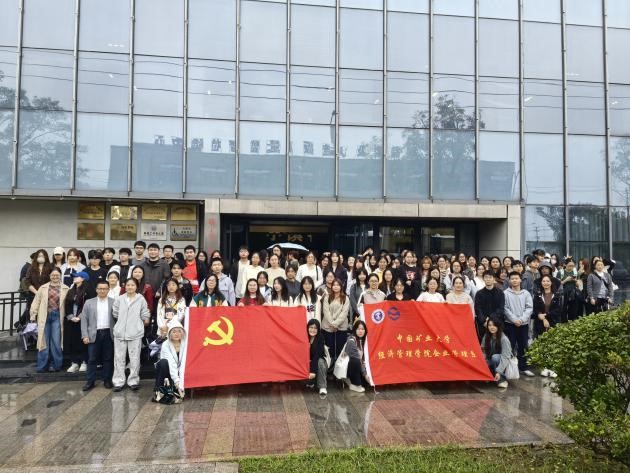
Group photo of faculty and students
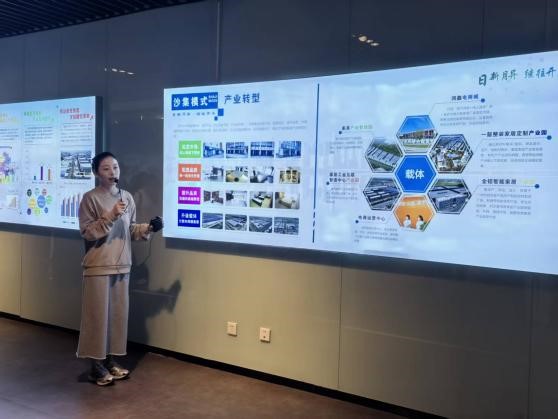
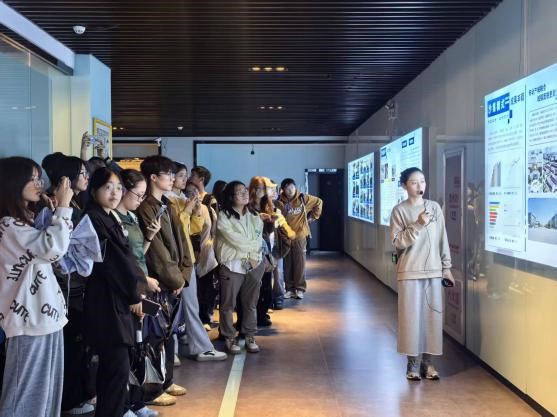
Explanation by the park guide
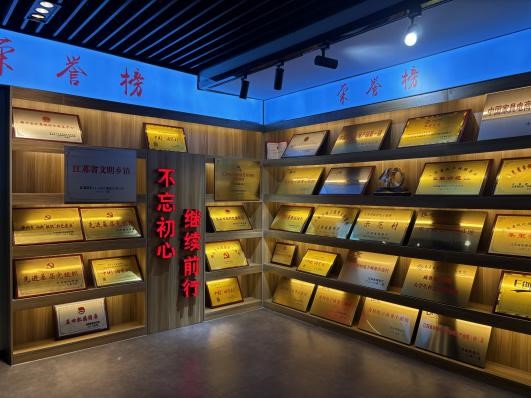
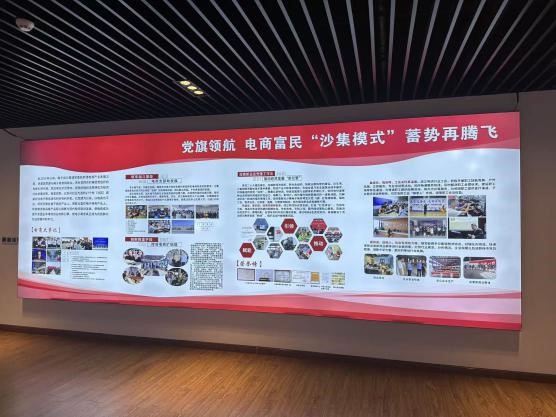
Exhibition of Party Building Leadership in the Park
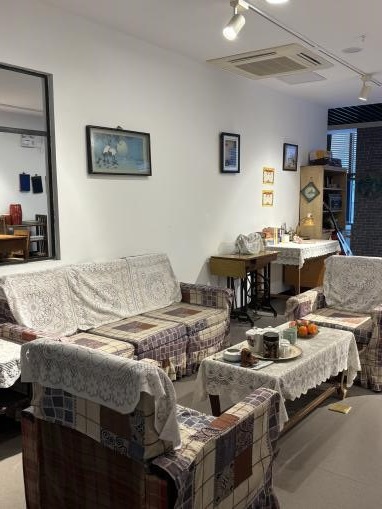
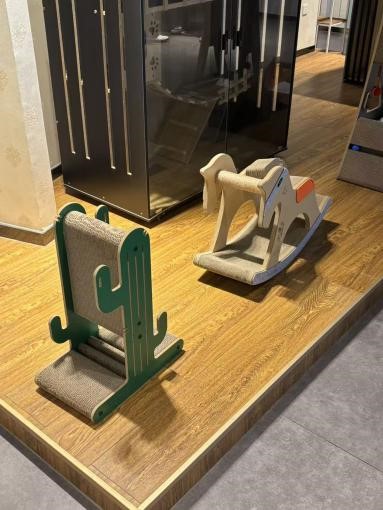
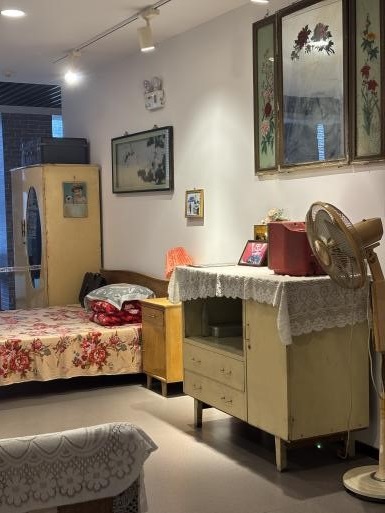
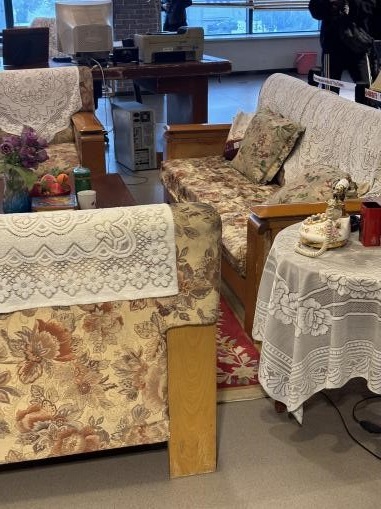
Exhibition Hall Product Display Area
To deepen the effectiveness of Party building–guided practical education and to integrate professional learning with the national strategy of rural revitalization, on the afternoon of October 15, Director of the Department of Business Administration Mou Yupeng, Party Branch Secretary Yue Ting, and teachers Zhang Jiexuan and Li Xiaoyu led a group of students to Shaji E-Commerce Entrepreneurship Park in Suining County. The visit, themed “Exploring E-Commerce Industry Models and Experiencing the Power of Rural Revitalization,” aimed to give students firsthand insight into the vitality of rural e-commerce development under the leadership of Party building.
At the beginning of the activity, guided by park instructors and faculty members, the students visited the Exhibition Hall of Shaji E-Commerce Town. Through illustrated panels, physical exhibits, and digital displays, the exhibition vividly presented Shaji’s remarkable transformation from a so-called “poor village” to “China’s No. 1 E-Commerce Village.” From villagers’ early self-initiated furniture sales online, to the village Party organization’s leadership in building service platforms and resolving logistics and warehousing bottlenecks, and finally to the formation of a comprehensive e-commerce ecosystem covering design, production, sales, and logistics, every stage of development showcased the central role of Party leadership in driving industrial upgrading.
“The key to the ‘Shaji Model’ lies in building Party branches along the industrial chain, empowering Party members to lead by example and guide villagers to develop collectively,” explained the park docent. Using vivid case studies, she detailed how the park integrates Party building with policy resources and market needs, cultivating a number of Party-member e-commerce pioneers. These leaders have driven the standardization and branding transformation of the local furniture industry, effectively boosting the income of thousands of rural households.
In the product display area, students observed up close the entire production process—from raw board materials to finished furniture—and learned how local enterprises use e-commerce platforms to capture consumer demand precisely, achieving flexible, on-demand manufacturing. Faculty members guided students to apply business management theories to analyze supply chain management and brand marketing strategies in Shaji’s e-commerce industry, helping them connect classroom knowledge with real-world industrial practice and deepening their understanding of how e-commerce empowers rural revitalization.
This field study is a vivid example of the School of Economics and Management’s “Party Building + Practical Education” model. By stepping into the frontline of rural e-commerce, students gained a direct understanding of the profound transformations brought about by Party-led rural industries, while integrating labor education, professional training, and ideological-political education in a unified experience. The activity laid a solid foundation for students to engage in rural revitalization and enterprise management in the future. Participating students expressed that they would take this experience as motivation to strengthen their professional competence and contribute their youth and knowledge to the high-quality development of rural industries, realizing their value in serving national strategies.
Written by: Ren Ziqi
Photography: Li Shuxian, Ren Ziqi, Chen Yimiaoxi
Reviewed by: Li Xinchun